
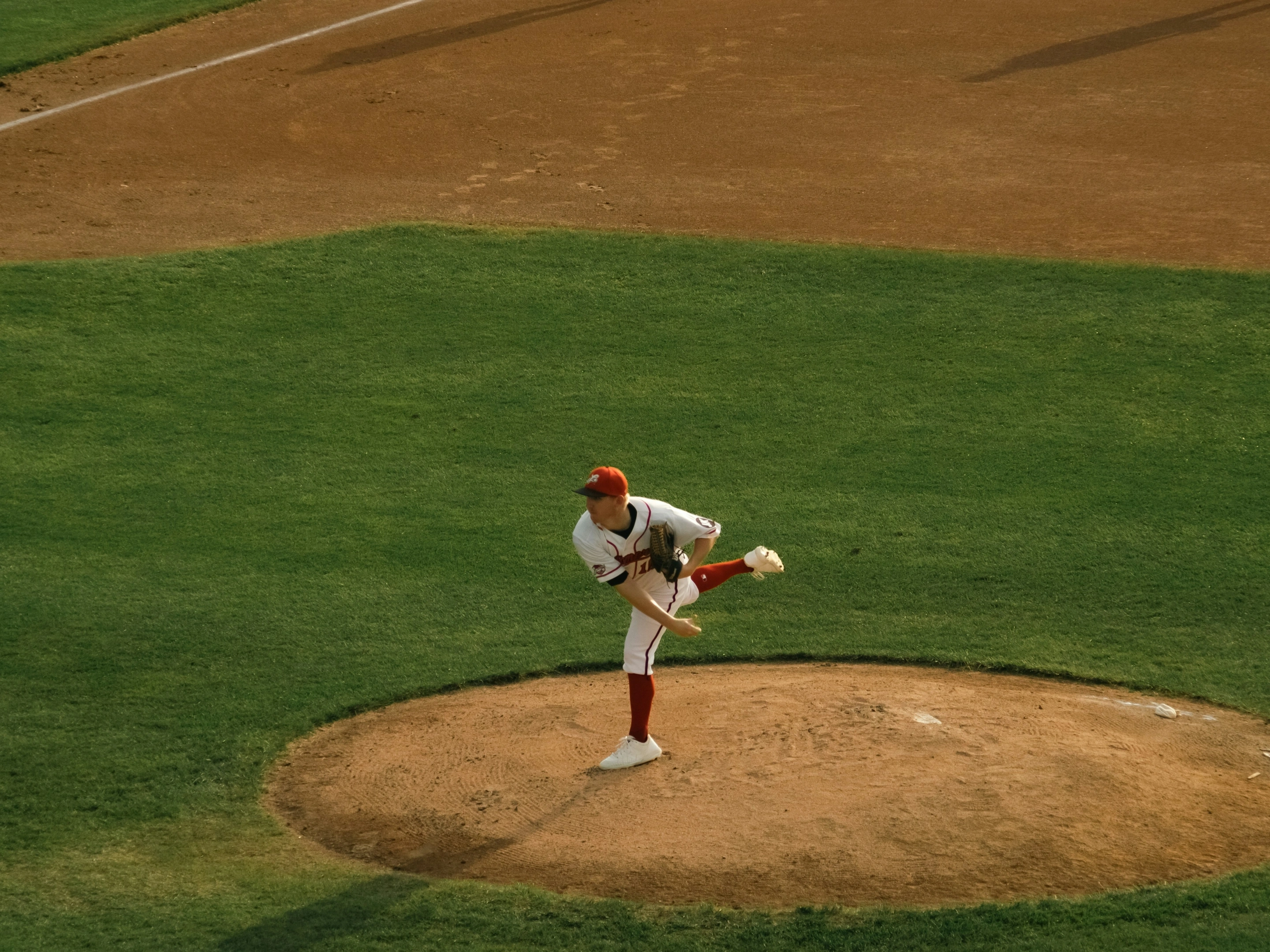
We don’t have an S&C coach.
Everyone agrees physical development matters. Few clubs can pay someone to run it. And one person can’t reach every team anyway.

For junior club and association committees
Switch builds strength, speed and injury prevention into every team in your club, not just the ones who get picked. It runs inside the sessions your coaches already hold, with physios, psychologists, dietitians and strength coaches from professional sport behind it. Nothing new to manage.
Tested and proven in the Sydney Blue Sox Academy and the Perth Heat Academy Now running at Endeavour Sports High School
Your teams win. Your best players get selected. So development looks like it’s working. But a scoreboard only counts the players who were always going to make it.
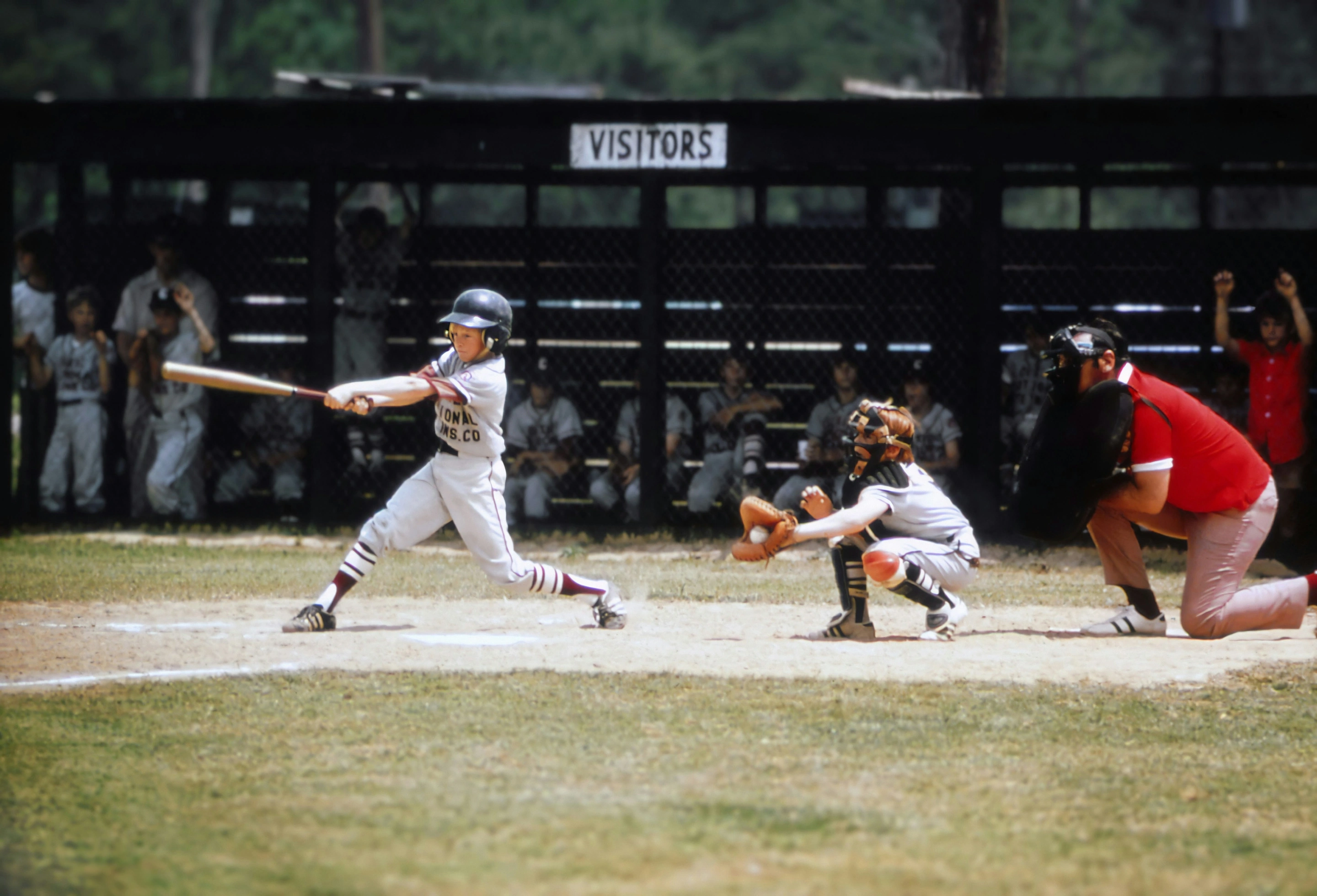
It doesn’t count the late developer. The 13‑year‑old who throws harder than your rep pitcher but hasn’t grown into it yet. The kid who doesn’t re‑register at 15, because nothing told them they were getting better.
That isn’t your coaches’ fault. It’s what happens in any system built around selection.
More than one in four clubs (27%) report a decline in registrations among 15 to 19 year olds.1 Players lost at that age rarely come back. Not as players. Not as coaches, umpires or committee members either.
¹ Australian Sports Foundation. (2023, May). Clubs under pressure. https://asf.org.au/resources/blog/clubs-under-pressure ↩
Everyone agrees physical development matters. Few clubs can pay someone to run it. And one person can’t reach every team anyway.
Every paid specialist lands on family fees. So the help never quite arrives.
Your coaches give up their weekends as it is. Asking them to design a strength program on top isn’t fair.
Two players in the same club can have completely different seasons. Not because of effort. Because of what each coach happened to learn.
Half the committee wants stronger rep teams. The other half wants every kid looked after. Spending turns into a debate between the two.
A weekly plan for every age group, from first‑season T‑ball to seniors, run inside normal training. Nobody has to design anything.
Plus injury risk screening, so your committee isn’t carrying duty of care alone.
A leaderboard for strength, speed, flexibility and sport skills that players and families can see.
Live calls and monthly deep dives with experts in strength and conditioning, physiotherapy, nutrition and psychology.
Delivered under your club’s or association’s branding, from a handful of teams to a whole association.
Luke Wilson has spent nearly two decades in professional and Olympic sport. Military physiotherapist in the UK. Physio and S&C coach to Canadian Olympians and NBA draft picks. Head physio at the NZ Warriors, Canberra Raiders and St George Illawarra Dragons.
Today he’s Director of Player Health & Physical Performance at the Sydney Blue Sox.

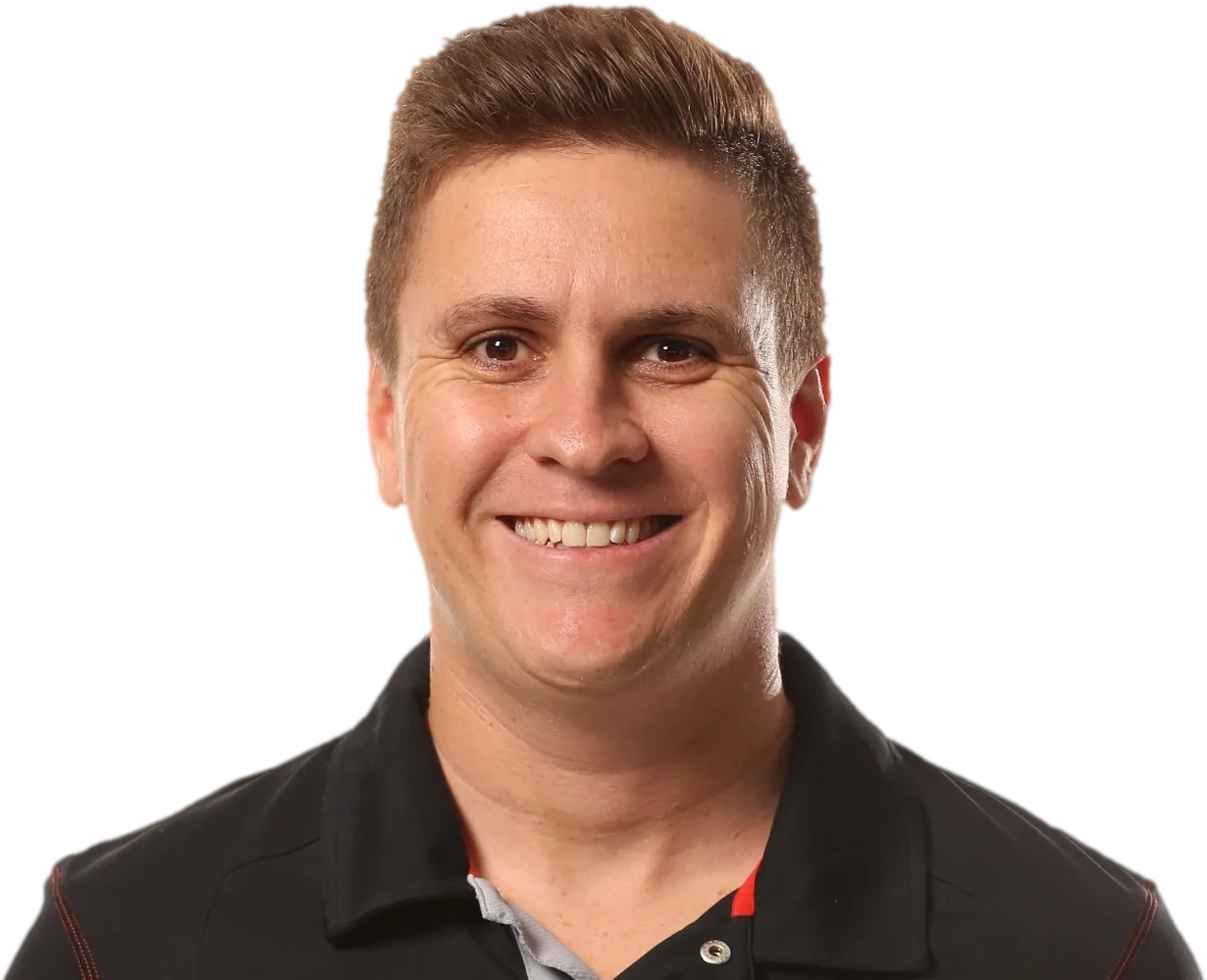
He also started as a junior at Cronulla in 1989.
It took ten seasons before a coach told him to use his legs to swing.
Switch exists so the next kid doesn’t wait that long.
In elite sport, the best expertise goes to the fewest players. Physios, psychologists, dietitians and strength coaches work with the selected few at the top. Everyone below gets whatever their volunteer coach happens to know.
Switch flips it.
The expertise goes to the base: every player and every coach in your club. More players developed means more competition. More competition means the players who rise are better.
So you don’t have to choose between winning and participation. This is how you get both.
Running, jumping, throwing, landing. The base everything else is built on.
Strength and control catch up with skill, so technique holds up when it matters.
Players who can see themselves improving have a reason to come back next season.
Your coaches open the app and run the session. Warm-up, strength work and injury prevention are already built in, matched to the age group. No gym. No qualifications.
Players are screened for injury risk. Coaches bring their questions to the weekly live call with the expert team.
Progress becomes visible. Strength, speed, flexibility, throwing velocity and bat speed sit on a leaderboard, so a player who isn’t being picked can still see they’re getting better.
That’s the point of it all. The kid who would have quit at 14 has a reason to stay. Some of them become your coaches, umpires and committee members at 30.
Committees
You want better training in every team without asking more of your volunteers.
Take the Club AuditAssociations
You want one standard across every club, delivered under your own branding.
Talk to LukeCoaches
You want sessions that work this week, and someone to ask when they don’t.
Read the guides for clubs and coachesNo. Switch is built into the sessions you already run. Coaches open the app and follow the plan for their age group.
No. Coaching varies in every volunteer club, because volunteers learn different things. Switch gives your coaches backup. It isn’t a verdict on them.
Good. They’re well designed. The gap usually isn’t the program. It’s volunteers running it on their own, with nobody to ask.
It depends on how many players you have. The pricing calculator gives you an estimated annual cost in under a minute. It works out at less than the cost of a cup of coffee per player, per month.
Switch was built and proven with baseball. The physical foundations apply to any sport. Talk to us about what’s ready for yours.
Rewards are team-based and forgiving, and they end when the session does. No countdowns, no streaks to protect.