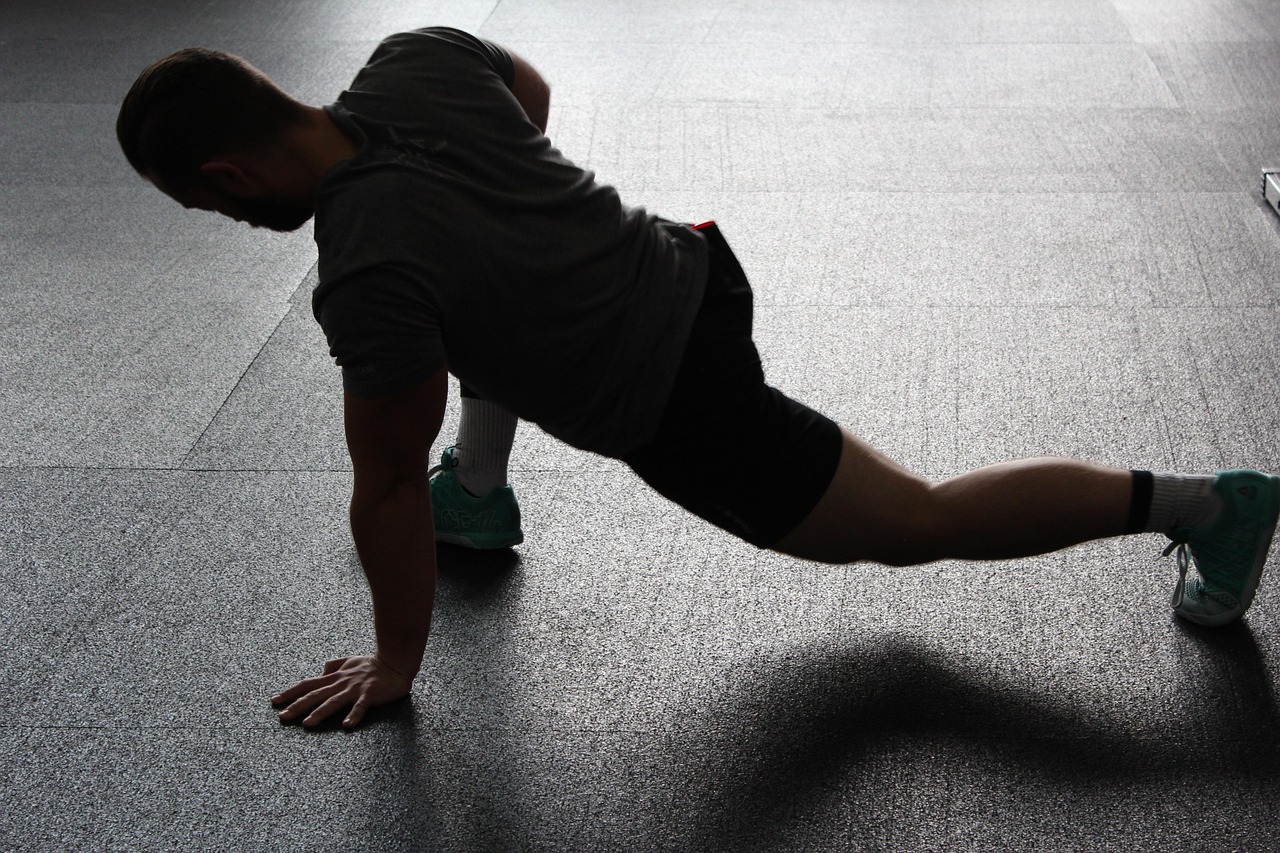
How To Turn Your Warm Up Into A Weapon
Key Takeaways
- One phone, one protocol, zero guesswork: app-based delivery means every coach across every age group runs the identical warm-up, strength, and mobility session, every time.
- You don't need a full-time S&C hire to get elite-level physical prep — a digital athletic development platform puts the expertise in the coach's pocket instead of on your payroll.
- Inconsistent warm-ups are an injury liability, not just a coaching quirk — standardizing them is one of the cheapest risk-reduction moves a club can make.
- The Inverted Pyramid Model gives every coach the same map, so a 10-year-old's mobility work and a 16-year-old's strength work both point toward the same long-term athlete.
- Clubs already doing this — inside The Blue Sox Way and Perth Heat Way — are turning "structured development" into a recruiting and retention advantage, not just a safety checkbox.
It's a Tuesday night in September, and there are eleven baseball fields lit up across the same suburb, all warming up for practice at the exact same time. On field one, the coach — a volunteer who played college ball fifteen years ago — runs his 14-year-olds through a crisp, ten-minute dynamic warm-up: leg swings, band work, a few sprint build-ups. On field four, a different coach, just as committed, just as unpaid, has his group jogging one lap and stretching their hamstrings for thirty seconds each, the same routine his own coach used in 1995. Both coaches love these kids. Both are trying their best. And both groups are, physically speaking, being prepared for the season in completely different ways.
This is the quiet, unglamorous crisis sitting underneath almost every community sporting club. It isn't a scandal. Nobody is being negligent. It's just entropy — the natural drift that happens when you hand fifteen different people the same job and no shared system to do it with. Multiply that gap across warm-ups, strength sessions, and mobility work, across ten, fifteen, twenty coaches, across five or six age groups, and you don't get a club with a training philosophy. You get a club with fifteen training philosophies, each one a little more improvised than the last.
Why Do Warm-Ups and Strength Sessions Vary So Much Between Coaches?
The honest answer is that most community sports coaches are volunteers, not physical preparation specialists. They know the game. They know how to run a batting drill or call a defensive rotation. But strength and conditioning — the science of preparing a young athlete's body to move, load, and recover safely — is a different discipline entirely, and almost no club can afford to put a specialist on every field, every night. So the warm-up becomes whatever the coach remembers from their own playing days, and the strength work becomes whatever they half-recall from a YouTube video the week before. It's not a lack of care. It's a lack of infrastructure. And when there's no shared infrastructure, quality becomes a lottery based purely on which coach your kid happens to get assigned to.
That lottery has consequences, and clubs feel them in three places at once. First, athlete preparation is inconsistent — some kids are genuinely warming up their hips, ankles, and shoulders before high-load throwing or sprinting, and some are basically walking straight from the car into a full-speed drill. Second, that inconsistency shows up as injury risk, because a rushed or missing warm-up is one of the most well-documented, preventable contributors to soft-tissue injuries in young athletes. And third — the one that keeps club presidents up at night — it shows up as parent complaints. Parents talk to each other. When one team's kids come home sore, tight, or hurt, and another team's kids come home loose and confident, that difference gets discussed in group chats, at pickup, and eventually in emails to the club board asking why there isn't "a standard."
What Does a Standardized Warm-Up Actually Look Like?
Picture the opposite of that Tuesday night. Every field, every coach, every age group opens practice with the same evidence-based sequence — the same dynamic warm-up progression, the same joint-prep and mobility drills scaled to the athlete's stage of development, the same strength circuit run with the same coaching cues. Not because every coach independently became an expert overnight, but because every coach is holding a phone or tablet that shows them exactly what to run, in what order, with a video demonstration and a simple script to follow. That's what standardization actually means in practice: not a binder gathering dust in the clubhouse, but a live, visual, in-your-pocket protocol that removes guesswork from the equation entirely.
This is precisely the gap Switch Physical Performance was built to close. Switch delivers app-based athletic development programs — most visibly through The Blue Sox Way and the Perth Heat Way — that give every coach in a club the same evidence-based warm-up, strength, and mobility curriculum, deployed straight to a phone or tablet on the field. A coordinator doesn't need to train fifteen volunteers into strength coaches. They need to hand fifteen volunteers the same app, running the same sessions, built by people who actually design physical preparation for a living. The expertise moves from being locked inside one person's head — a full-time hire the club probably can't afford anyway — into a system that every coach can execute competently, regardless of their own athletic background.
How Does the Inverted Pyramid Model Tie It All Together?
Standardizing today's session is only half the job. The other half is making sure today's session is actually building toward something, rather than just being consistently repeated in isolation. That's where the Inverted Pyramid Model comes in — it's the long-term athlete development framework that sits underneath every Switch program, and it's worth defining clearly because it reframes what "training" should even mean for a young athlete. Picture an upside-down pyramid: the wide top represents broad, general physical foundations — mobility, movement competency, basic strength, coordination — and as the athlete matures and progresses down toward the narrow point, training becomes increasingly specific, increasingly loaded, and increasingly sport-specialized. A ten-year-old lives up near the wide top of that pyramid, doing broad mobility and movement work. A sixteen-year-old heading toward representative baseball is much closer to the narrow point, doing targeted strength and power work tied directly to throwing and hitting mechanics.
The reason this model matters for standardization specifically is that it gives every coach in the club the same map, not just the same session. Without it, a well-meaning coach might load a twelve-year-old with heavy, sport-specific strength work meant for an older athlete, or keep a sixteen-year-old stuck doing generic mobility drills they outgrew two years ago. With the Inverted Pyramid Model built into the app-delivered curriculum, the warm-up, strength, and mobility content automatically scales to where each age group sits on that pyramid — broad and foundational for the youngest athletes, progressively specific as they age up. That's the difference between a club that has "a workout" and a club that has an actual athlete development pathway, and it's a big part of why programs branded around the Blue Sox Way and Perth Heat Way resonate with clubs that are tired of ad hoc training and want something that compounds year over year.
Can a Club Really Do This Without Hiring a Full-Time S&C Coach?
This is the question every president and coaching coordinator eventually asks, usually right after pricing out what a full-time strength and conditioning hire would cost a 200-athlete club. The honest math rarely works. A qualified S&C coach commands a real salary, and even a generous club budget can typically stretch to a part-time consultant at best — nowhere near enough coverage for fifteen teams training multiple nights a week. This is exactly the gap that digital systems were built to close, delivering elite frameworks like the Flywheel Method, Black Belt Baseball, and the Inverted Pyramid Model to grassroots clubs without needing a specialist on every field, as we explore in our breakdown of how digital systems bridge the gap between elite and grassroots levels. The app doesn't replace good coaching — it multiplies it, letting one well-designed program get executed correctly by fifteen different volunteer coaches simultaneously, instead of needing fifteen different specialists.
It's also worth being honest about what standardization does and doesn't require from the club side. It doesn't require every coach to become an exercise science graduate. It doesn't require buying new equipment for every field. What it requires is a decision from leadership to stop letting warm-up and strength quality be improvised, and to put a shared, credible system in every coach's hands instead. Clubs that make that decision tend to see the payoff show up quickly in the places that matter most to a board: fewer soft-tissue injuries during pre-season, fewer parent complaints about "why does my kid's team train differently to the team next door," and a training standard the club can actually point to when recruiting new players or pitching sponsors on why this program is different from the club down the road.
Rolling this out is simpler than most coordinators expect, mostly because the heavy lifting has already been done before the club ever gets involved. A genuine community sports performance system doesn't ask a coaching coordinator to write a curriculum, film demonstration videos, or figure out load progressions for a nine-year-old versus a fifteen-year-old — that work is already built into the platform. What the club actually does is roll the athlete development platform out across its age groups, get coaches comfortable opening the app before each session, and let the software carry the technical weight. Under the hood, a well-built junior athlete strength program is doing the same thing a private performance facility does for an individual athlete — sequencing mobility, movement preparation, and progressive loading correctly — except it's doing it simultaneously for every team in the club, on every field, through nothing more than the phone already in the coach's pocket. That's the practical reality behind a youth baseball performance app: not a gadget, but a delivery mechanism for expertise the club could never otherwise afford to have on staff.
Why Does This Matter Beyond Just Avoiding Injuries?
It would be easy to frame standardized warm-ups and strength sessions purely as risk management — a defensive move to keep kids safe and parents quiet. That undersells it. A club that runs a genuinely consistent, evidence-based physical development system, visibly branded and delivered the same way to every athlete from under-10s through to representative teams, is making a statement about what kind of organization it is. It's the difference between a club that says "we care about player development" and a club that can actually show a parent, a sponsor, or a prospective family exactly what that development looks like on a phone screen. That credibility compounds. It's also worth remembering that the coaching side of this equation doesn't stand alone — standardizing the physical preparation is most powerful when it's connected to the people managing injuries and skill development too, which is why linking physios, S&C staff, and skill coaches through Switch matters just as much as standardizing the sessions themselves.
None of this happens by accident, and it doesn't happen because one exceptional volunteer coach decides to go above and beyond on field one while field four gets left behind. It happens because a club makes standardization a system, not a hope. The tools already exist to make elite-level warm-up, strength, and mobility protocols available to every coach on every field, scaled correctly by age through the Inverted Pyramid Model, without needing to find or fund a full-time specialist. For clubs still comparing their options — including how a platform like Switch stacks up against other performance systems on the market — it's worth reading through the honest comparison of Switch against Driveline, Tread Athletics, and CoachingApp before deciding what a club-wide system should actually look like. The Tuesday night training gap between field one and field four isn't inevitable. It's just what happens when nobody closes it first.
FAQs
How can a community sports club standardize warm-ups across all its coaches?
A club standardizes warm-ups by giving every coach the same evidence-based protocol through a shared, app-based delivery system — like the ones Switch Physical Performance builds into The Blue Sox Way and Perth Heat Way — so each coach runs the identical session from a phone or tablet instead of improvising from memory.
What is the Inverted Pyramid Model in athlete development?
The Inverted Pyramid Model is Switch Physical Performance's long-term athlete development framework: young athletes start with broad, general physical foundations (mobility, coordination, basic strength) at the wide top of the pyramid, then progress toward increasingly specific, sport-focused strength and power work as they mature, narrowing toward elite specialization.
Why do warm-up and strength routines vary so much between volunteer coaches?
Most community club coaches are volunteers who understand the sport but aren't trained strength and conditioning specialists, so without a shared system each coach defaults to whatever routine they personally remember, creating wide inconsistency across teams and age groups.
Can a club get elite-level physical preparation without hiring a full-time S&C coach?
Yes — this is the core problem app-based digital S&C curriculums solve. A platform like Switch Physical Performance delivers the same evidence-based warm-up, strength, and mobility program to every coach's device, giving a club access to elite methodology without funding a full-time strength and conditioning position.
Who is The Blue Sox Way and Perth Heat Way built for?
Both are app-based athlete development systems from Switch Physical Performance, built for community baseball clubs and associations that want a standardized, scalable physical development pathway for their athletes, from junior age groups through to representative-level players.
Which problems does standardizing training actually solve for a club?
Standardization reduces inconsistent athlete preparation, lowers avoidable soft-tissue injury risk from rushed or missing warm-ups, cuts down parent complaints about uneven coaching quality between teams, and gives the club a visible, credible development pathway it can use for recruitment and sponsorship.
How does an app-based system make sure training suits each age group correctly?
The curriculum is built around the Inverted Pyramid Model, so the app automatically scales warm-up, strength, and mobility content to where each age group sits developmentally — broader and more foundational work for younger athletes, more specific and loaded work as athletes progress toward representative competition.


